NAMM 2022 brought together every part of the music and audio industry, from instrument and equipment companies to immersive audio and web3 startups. If before the conference was mostly about live music and performance, now the technologies are becoming a ubiquitous part of the show.
GPU Audio talked to some of the most innovative companies about the future of audio and how it’s going to impact how music is produced and consumed.
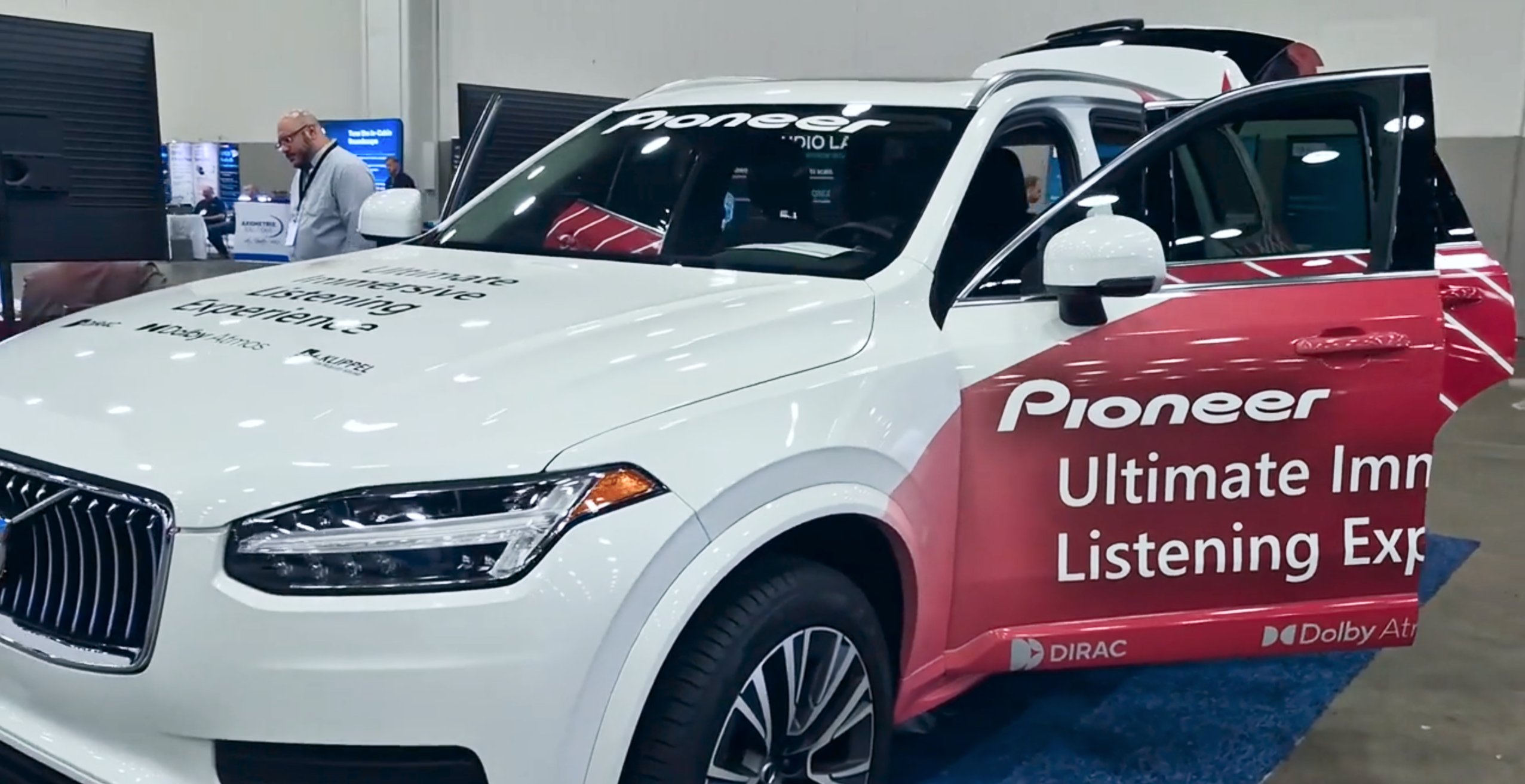
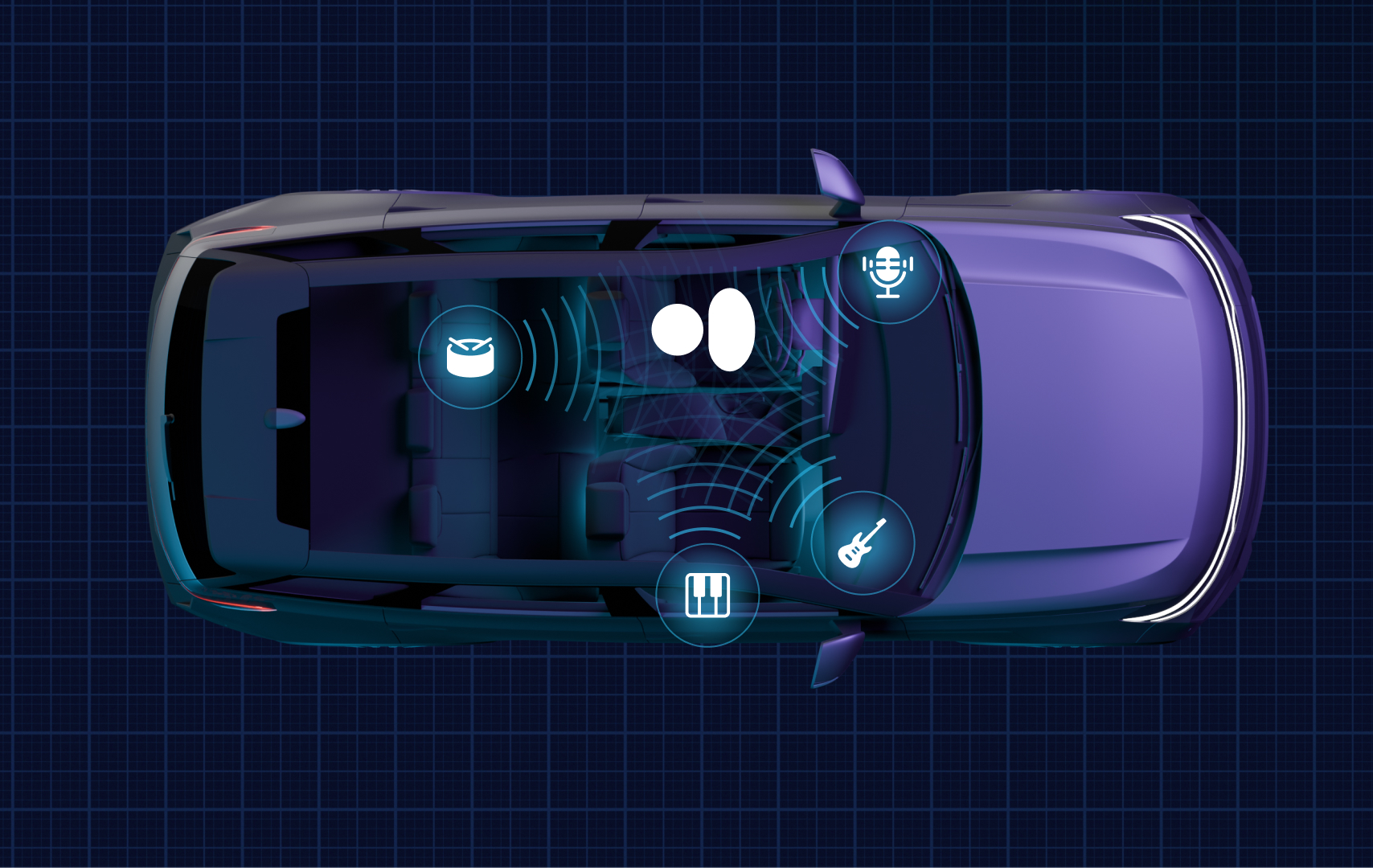
There was a lot of talk regarding immersive and spatial audio, specifically the tech that Dolby Atmos is putting out. “There were several attempts over decades to make audio more multichannel — all of these attempts died,” Roger Robindoré, Apogee’s Director of Product Evangelism, tells me, explaining that the reason was because the consumers never really caught on. “With Dolby Atmos, they’ve been very clever at creating consumer demand.” To hear it at its best, you need to have a certain number of high-quality speakers, but you don’t need that set up to experience the immersiveness. All you need to start is a phone, which creates a better chance of retaining consumers.
As Robindoré notices, the other platforms seem to be disappearing, given that Dolby has a decade head start. “They have theaters, and Dolby Atmos in theaters is not going to go away — that’s set,” he elucidates. “You’re going to have to be a pretty big company with a cool system to catch up to Dolby. I think what’s more going to happen is that people [will] be — like we [Apogee] are — compatible, rather than competitive, with Dolby.”
For Bobby Lombardi, PACE’s VP of Product and Business Development, an inevitable part of the future lies in working closer with universities and students. There has never been a time where there are so many audio programming languages, whether that be web-based or abstracted audio ones, and introducing students to them is one of the things that PACE currently focuses on. “There’s going to be this awakening where instead of going to school to learn about the tech where you’re using a DAW like ProTools, students will just write their own plugins or use their own audio language to do something with it,” Bobby shares. The VP senses that a shift is coming, and predicts that there is going to be a closer tie-in with audio and the gaming industry.
A general trend that seems to pertain across different verticals is the fusion of analog and digital. “There’s an interesting clashing of ideas now where you have people really loving analog but at the same time they acknowledge the power of digital,” Anthony Sostre, Marketing Director at Singular Sound, says. “In the past, music production was almost entirely you record[ing] live gigs.” Then, it rebounded into purely digital using MIDI controllers and DAWs. Now, it finally got to the sweet spot of combining both and, as he predicts, that hybrid is going to keep growing. “We’re going to see people getting into more desktop setups and using analog equipment down the road instead of laptops only — using the modeling powers of digital with the tactile feel of analog,” he says.
A key factor is accessibility, which has never been as it is now. “That is Focusrite’s mantra: removing barriers to creativity, [which] is why we make affordable products that sound great and easy to use,” Evan Weiss, Focusrite’s Product Specialist, begins. Agreeing with the digital-analog trend, Weiss thinks both the DAW and DAWless routes are going to work… “until Apple comes up with some crazy new crossover tabloid computer.”
While VocalBooth isn’t developing software, it also senses the shift. “From our isolation-in-a-studio perspective, there are more and more home studios as digital has become more accessible to people,” VocalBooth’s Freddie Gateway elaborates, discussing how now you need only a thousand dollars to create good recordings in comparison to tens of thousands of dollars before.
Seeing everyone starting to record from home during the pandemic, they’ve expanded their studio solutions, developing a compact setup that’s easy to build. “That was a really big boost for our company — we shipped more booths in 2020 than we ever had in any other year,” the sales director tells me. “I can see a lot of it going smaller scale and moving back into houses and small businesses.”
Whether that be immersiveness or the blurring of the lines between different industries, NAMM 2022 demonstrated just how much change has happened over the past three years, and how big of a shift and innovation there is to come. “We’re going somewhere different, a world of creativity,” Bobby concludes. “A world where we’re not taking these creative minds and locking them into a closed system — the future will all be about open systems.”